.
News
People of the Word
For people of the word, whose faith is bound up in books, we often give little credence to words. We say things like talk is cheap, actions speak louder than words, and put your money where your mouth is. Even our patron saint is purported to have said, “Preach the gospel always, and if necessary, use words.” Truly, at times it seems that talk IS cheap, and sometimes it’s viewed as completely worthless. How many of us have clicked on user agreements without ever reading what we agreed to? Apple’s Media Services Terms and Conditions, something anyone using an iPhone must consent to, is just under ten thousand words; this is not counting the numerous links in the text that lead to more terms and conditions.
It’s hard to make the argument that words matter in a world that gives so little value to them. There are several words that have power but little to no value, words that are best left unwritten and unsaid, while the words that should have the most value have been weakened by overuse and/or misuse, or turned into exclamations of disgust. The first word to come to mind is love. Nobody would think it amiss if I were to say, “I love my family, tacos, and Star Wars.” I have a great fondness for tacos and Star Wars, but if pressed, I don’t love them in the same way as I love my family. It would be weird if I did. In the same way, the name of Jesus should fill us with hope and love; it should not be the preface to an insult.
Paul writes in his letter to the Ephesians, “So then, putting away falsehood, let all of us speak the truth to our neighbors, for we are members of one another. Be angry but do not sin; do not let the sun go down on your anger, and do not make room for the devil…Let no evil talk come out of your mouths, but only what is useful for building up, as there is need, so that your words may give grace to those who hear. Put away from you all bitterness and wrath and anger and wrangling and slander, together with all malice, and be kind to one another, tender-hearted, forgiving one another, as God in Christ has forgiven you,” Ephesians 4:25-26, 29-32.
Words matter. What we say matters to ourselves and each other. What words do we subject ourselves to during the course of the day? What are we reading and whom are we hearing, and is it worthy of our time? Are the voices in our lives building others up or tearing them down? We can be angry without denigrating and hurt without verbally lashing out. Imagine having the courage to say, “I AM HURTING!” instead of verbally (or physically) attacking the person/people that hurt us? We talk and write volumes without ever saying anything real about who we are.
And sometimes, we say nothing, which can be worse. Sometimes, rather than pointing out what is wrong, sinful, or evil, we say nothing. In a world where silence equals assent, silence can be deadly. Rather than confront words of hate, violence, or ignorance, we stay silent, because silence is easier than conflict.
Do we believe the words Paul wrote to the Ephesians? Do we believe that we should speak the truth to our neighbors because we are all members of one another? If we do believe that, I have a bit of good news: we don’t have to wonder what truth we are to speak to one another. The greatest truth we have is that we are loved by God, and that in loving one another, we are loving God in return. We know what it means to love God and our neighbor; thankfully, Jesus was very clear about this (see Matthew 25 and Luke 10:25-37). There are so many empty words being thrown about in the world. Let us make the words we write and say count; let us never be ashamed to have the words we write and say be repeated. We are people of the Word. Let us live like it.
The Rev. Jason Shelby
Rector
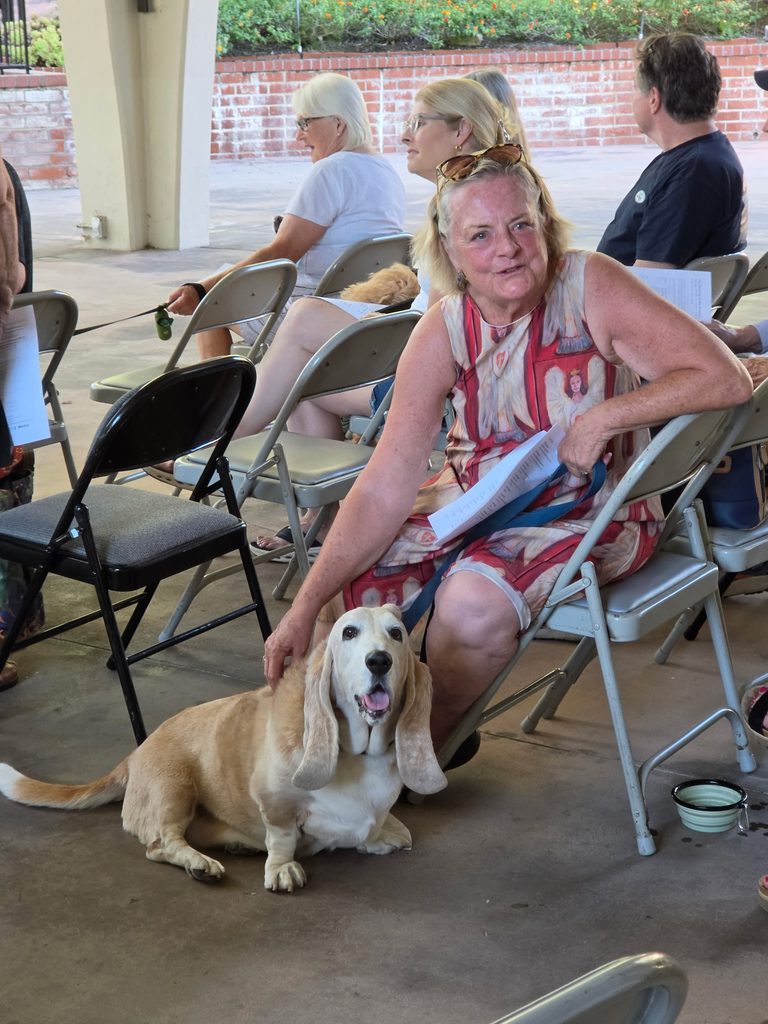
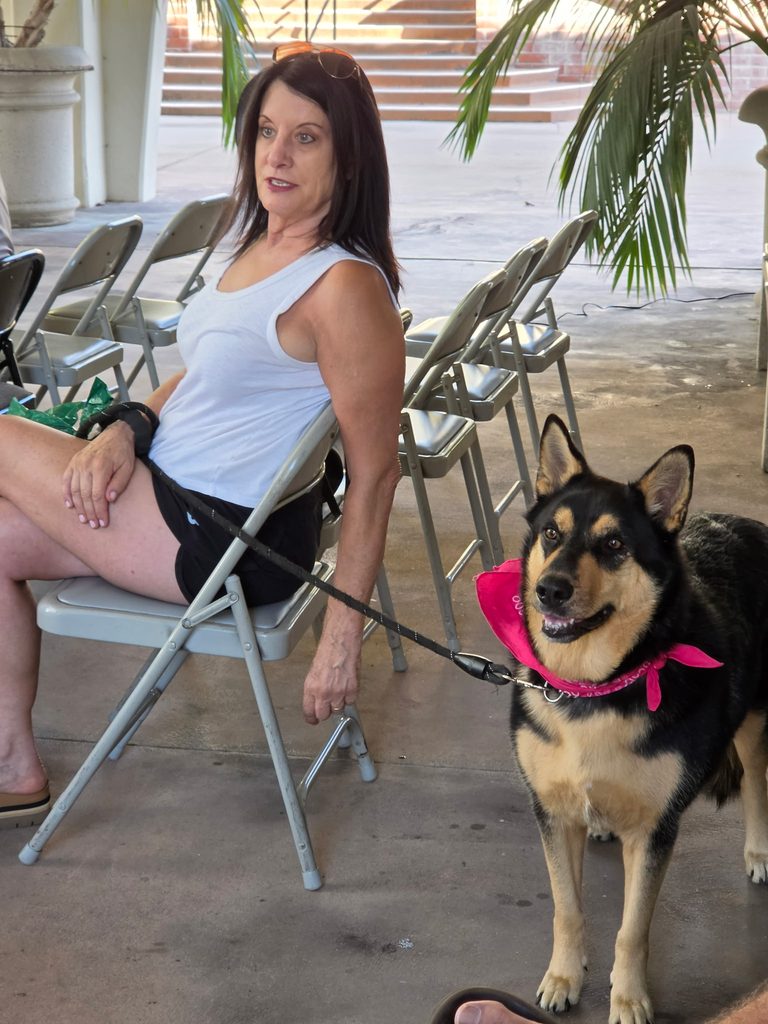
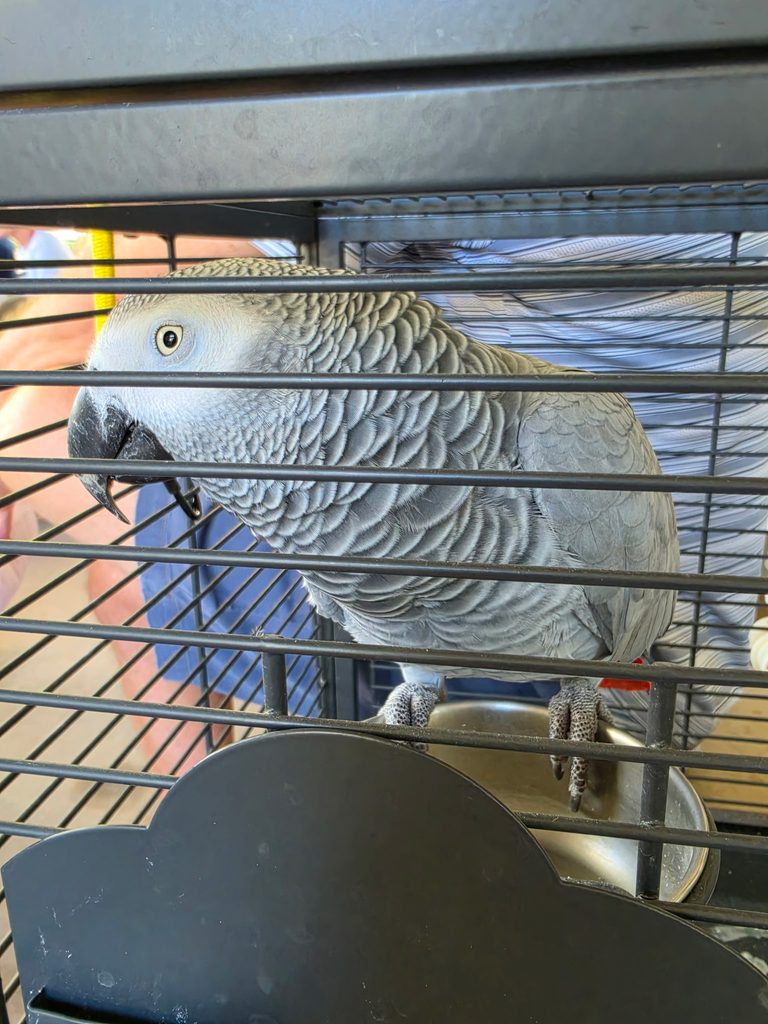
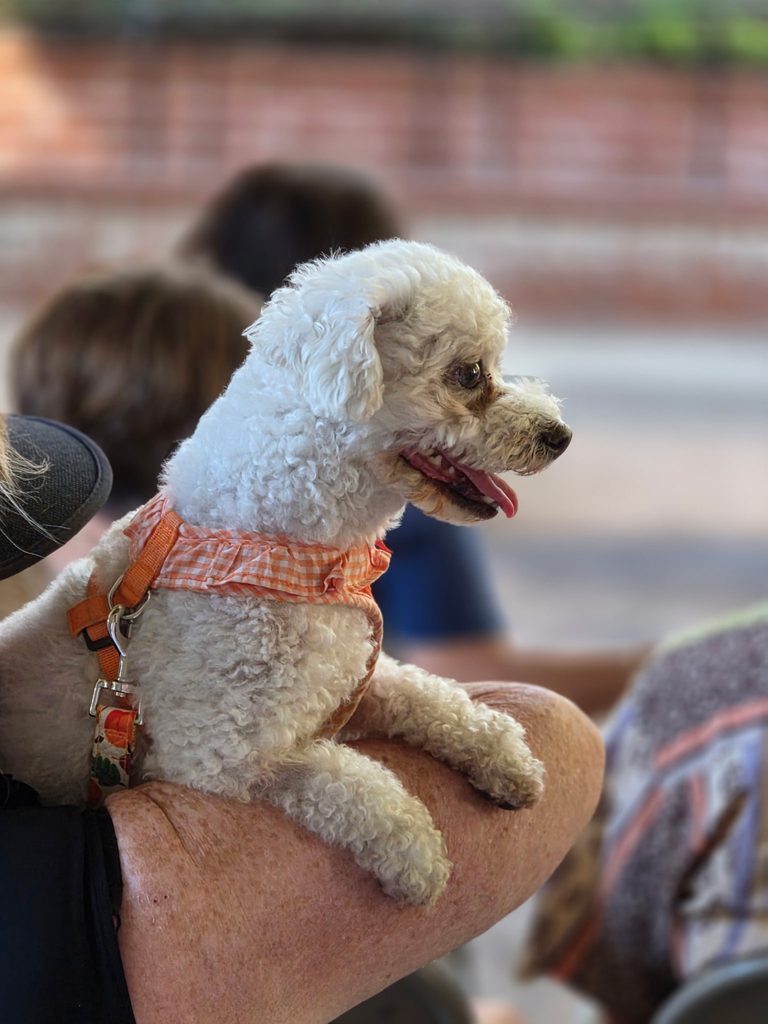
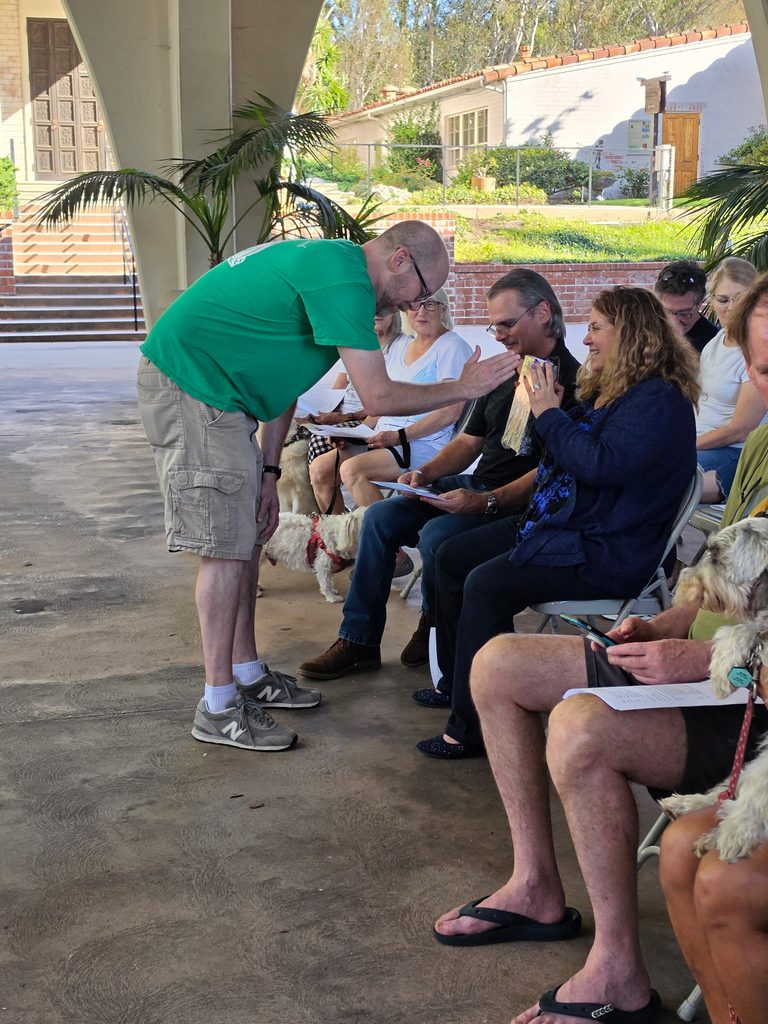
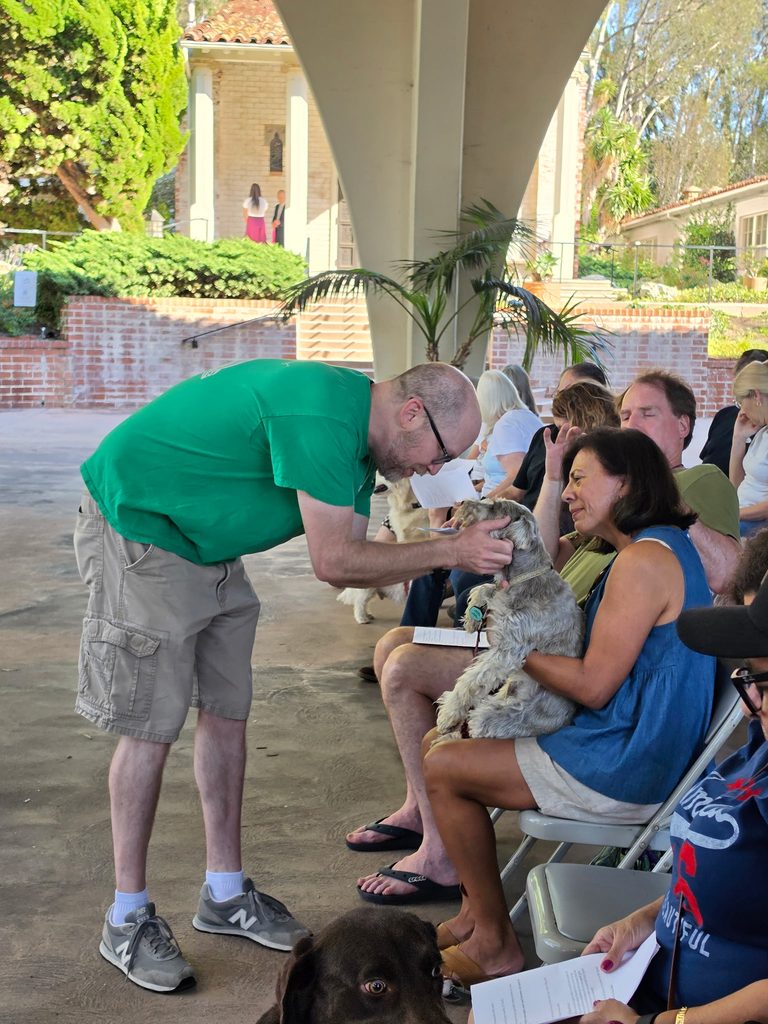
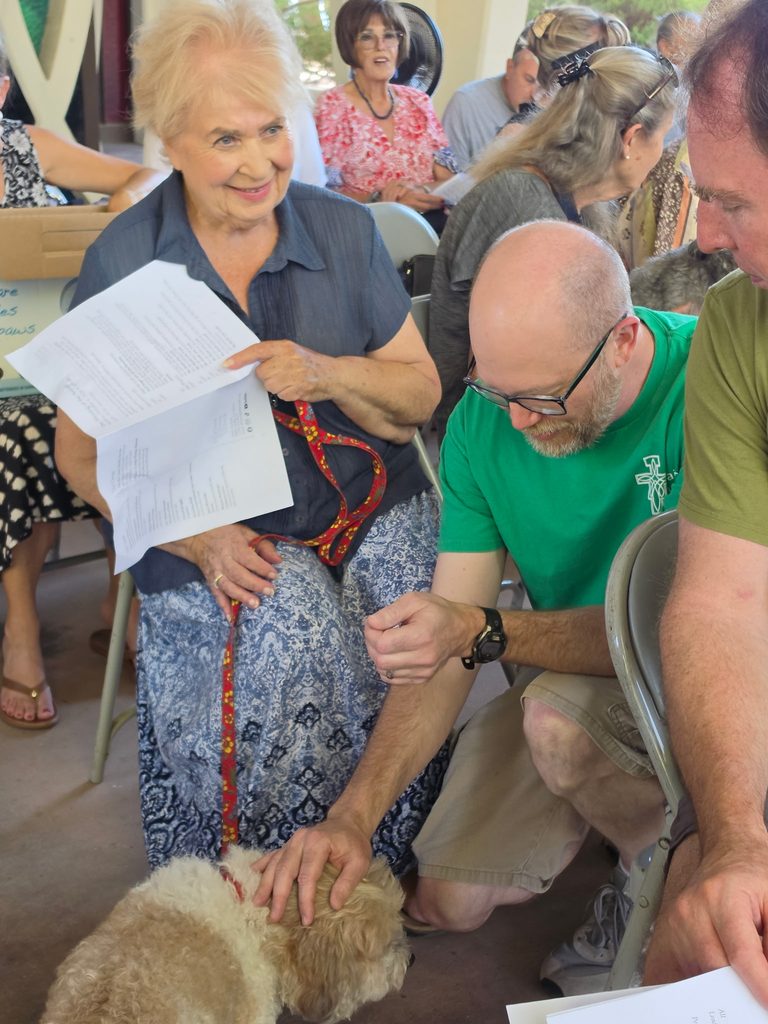
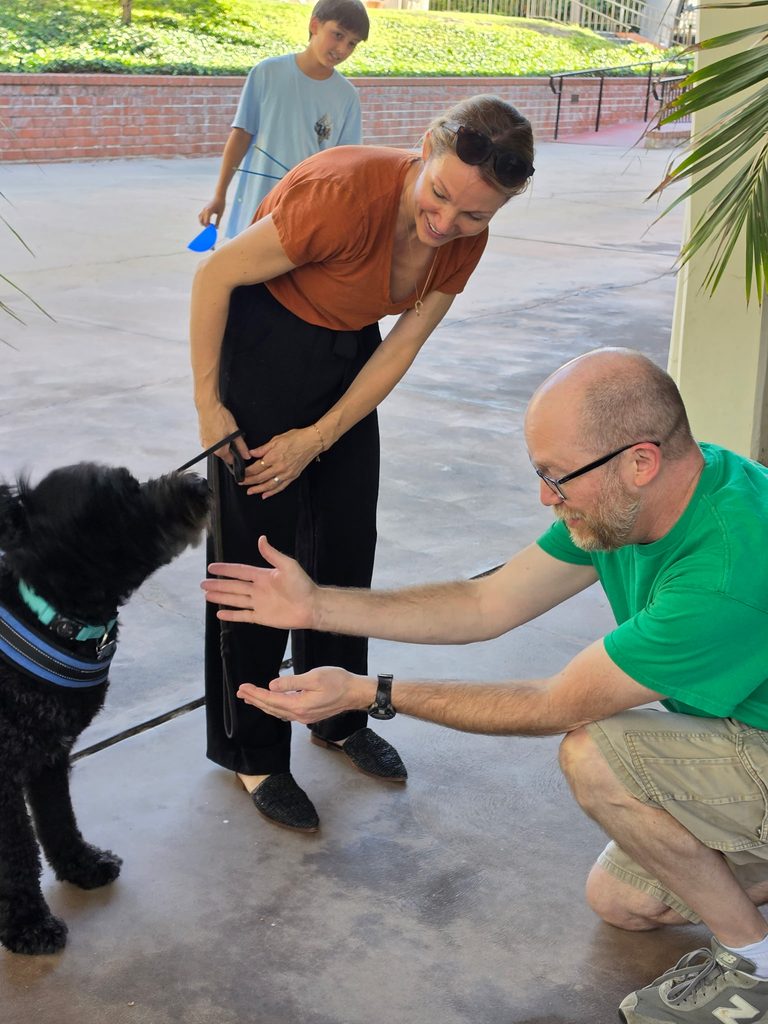
Blessing of the Animals 2026
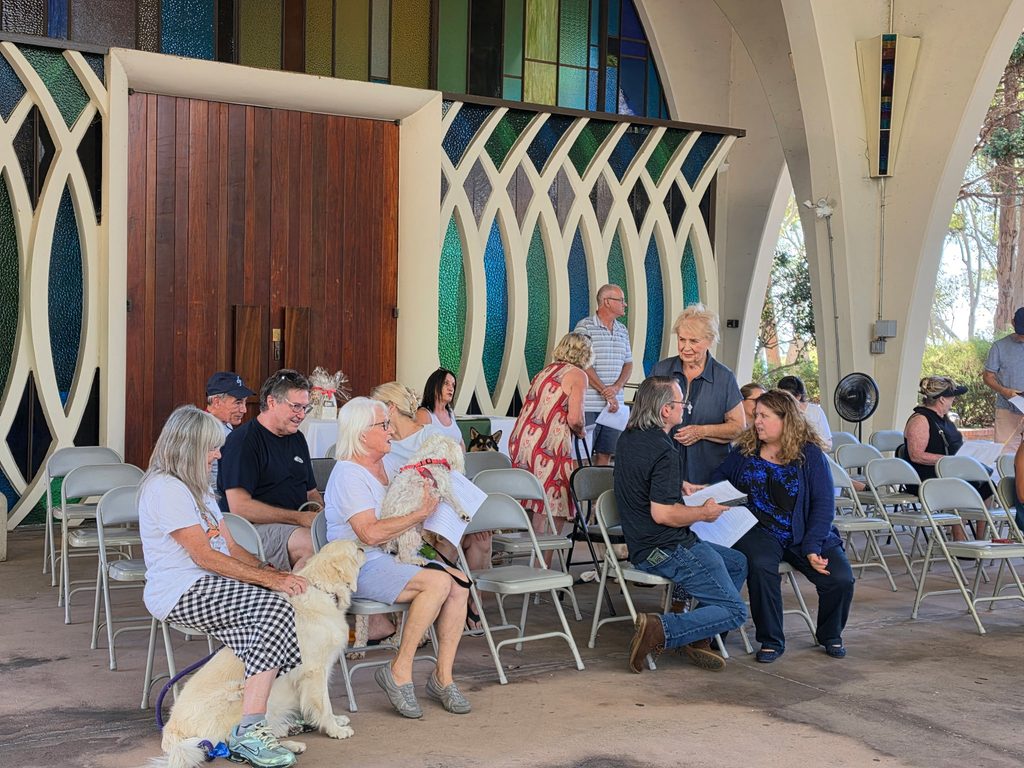
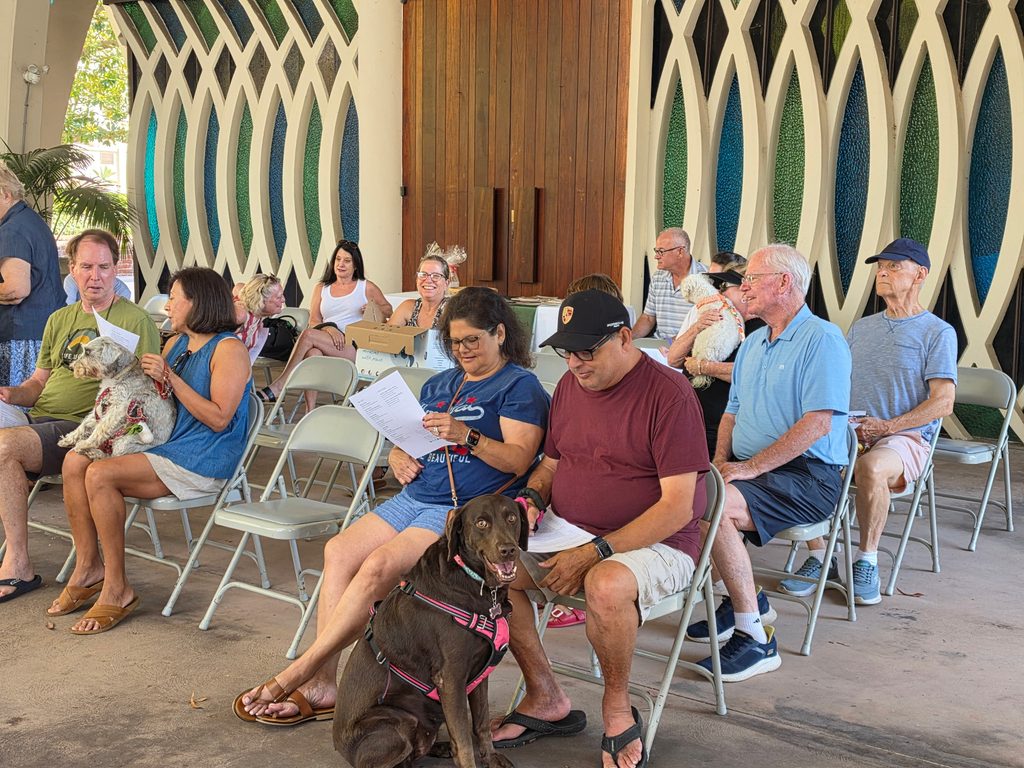
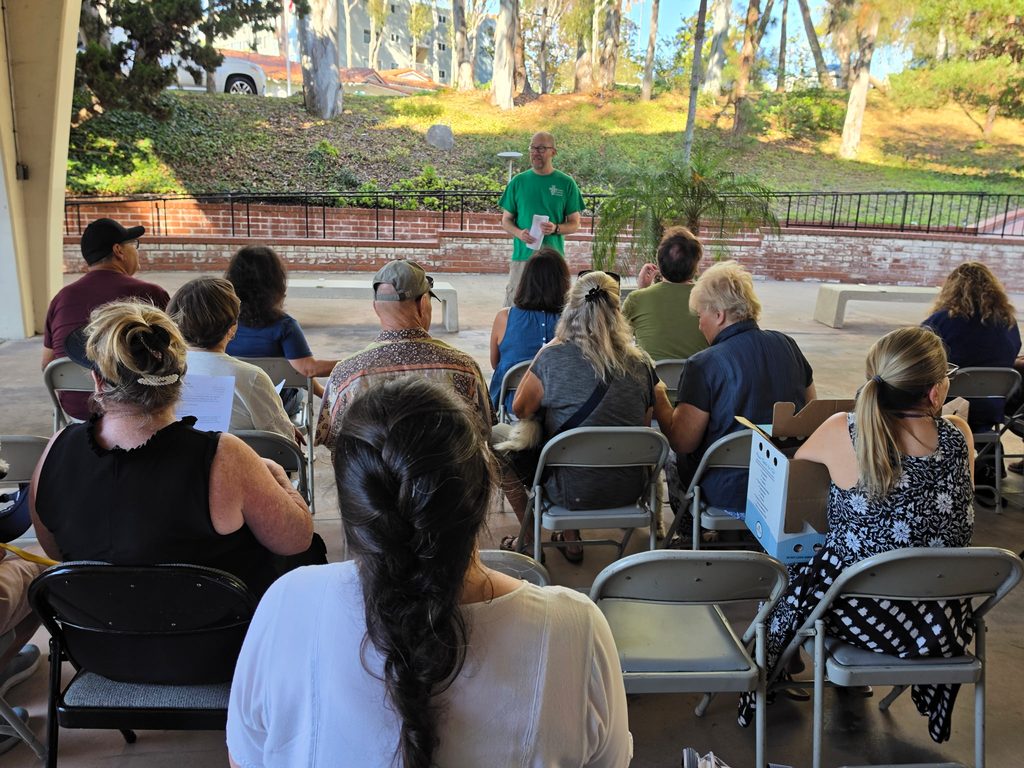
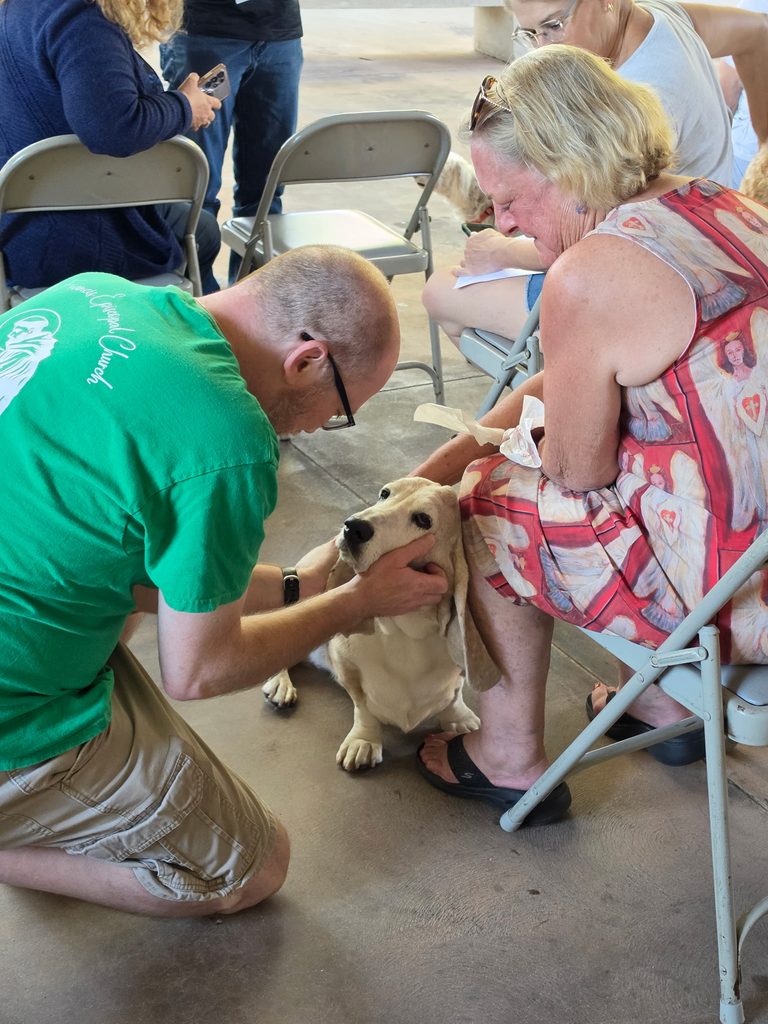
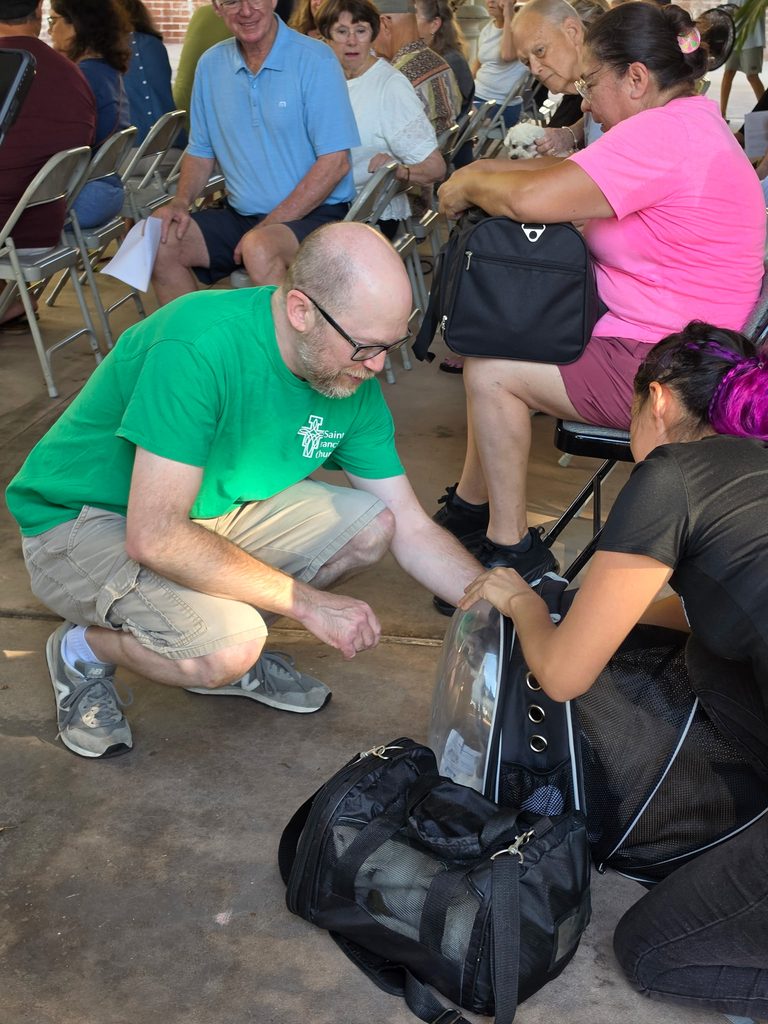
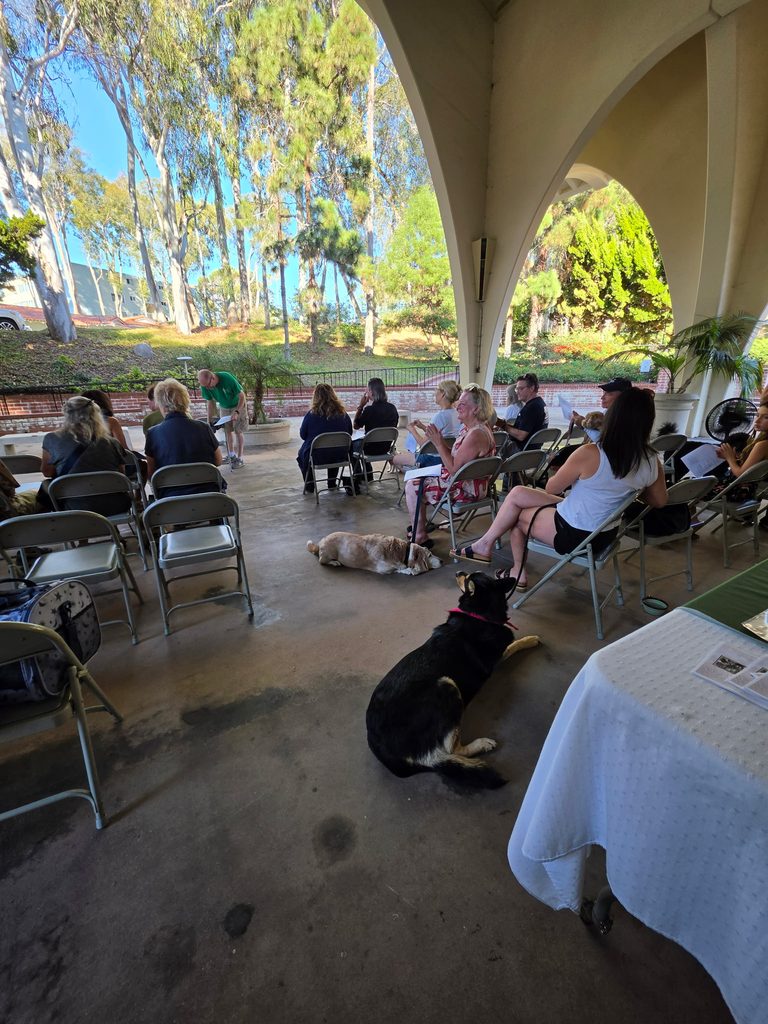
On Sunday, October 4, we celebrated the Feast of St. Francis with our annual Blessing of the Animals. Below is a photo gallery with images from that day. We thank all the creatures, great and small, that were able to attend.
What Can I Do?
I heard the following story in the book Liturgies for Resisting Empires by Kat Armas, and she credits it to the indigenous people of North America.
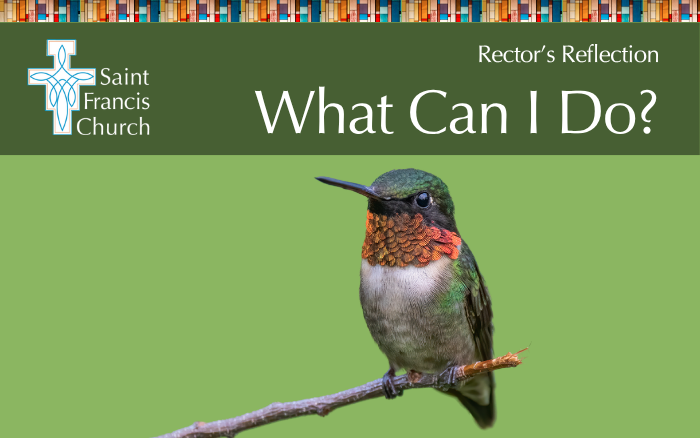
Once there was a great forest fire, and all the animals of the forest fled to the edge of the tree line and watched as tree after tree went up in flames. The bears, deer, and elk watched in fear, as did the smaller animals. The hummingbird saw the fire and immediately flew to a nearby lake, picked up a single drop of water in her beak, and flew back to the forest where she dropped it into the fire. Again and again, the hummingbird flew back and forth from the lake to the fire, each time with a single drop of water in her beak.
The other animals watched in amazement as the hummingbird zoomed back and forth from water to fire. They were incredulous; did she really think she could put out the fire drop by drop? Finally, an elk asked her to stop. She hovered in the air just in front of the elk, and he backed up so he didn’t have to look at her with crossed eyes. “Hummingbird, what do you think you’re doing?” She flew to the tip of his nose and said, “What I can.”
The Rev. Jason Shelby
Rector
Socktober!
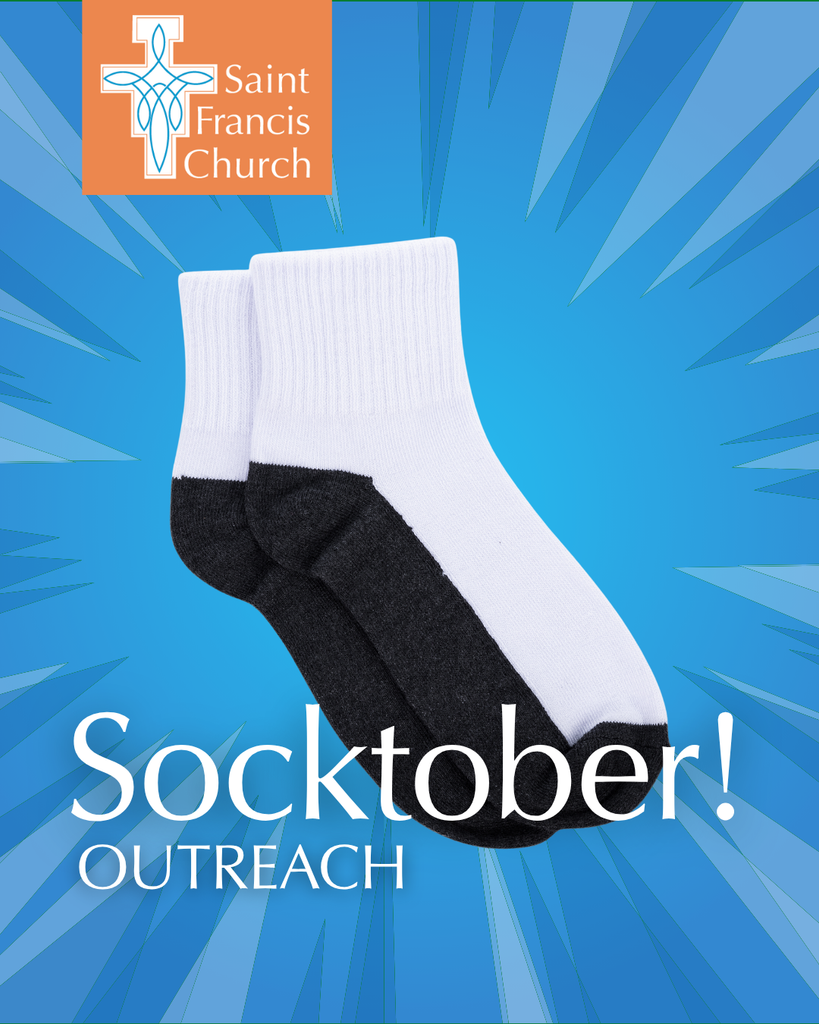
Help Support St. Luke’s Breakfast & Shower Program
We’re celebrating Socktober by collecting new, still in the package, men’s tube socks of all sizes. We’re also grateful for gently used clothing, shoes, backpacks, blankets, and other needed items. Please bring donations to the St. Francis office or contact Gayle Taylor at gaylentaylor@gmail.com. Every donation helps us share food, dignity, and practical care with our neighbors in need.
Frustrated by the world? Give thanks.
I can’t remember where I heard this, but it is some of the best advice I’ve ever been given. When life seems unbearably hard, and nothing is going your way, give thanks to God for what you have. Give thanks for the things that you never think about unless they’re missing or broken. Give thanks for the socks and shoes on your feet, the clothes that you’re wearing, the glasses that allow you to see.
Give thanks that you were able to eat lunch today and that you will be able to eat dinner tonight; give thanks that you don’t have to wonder IF you will eat, but only WHAT you will eat. Give thanks that you have electricity and running water. If you don’t have any of those things, give thanks for the air that you breathe; no one wants air more than a person who doesn’t have it.
This isn’t a way to negate the way we feel. This isn’t a way to say to ourselves, “At least I don’t have it as bad as the dude without shoes.” This is a way to give thanks for what we DO have. What’s more, it’s a way to slow down our minds, to stop catastrophizing and to begin to pick out close-at-hand, concrete details. When I give thanks for my shoes, I look down at my New Balance 515s and feel my foot inside the shoe; when I give thanks for my socks, I think about how I don’t like wearing shoes without socks, and then I’m doubly thankful that I have them. As I dwell on my socks, I give thanks that I had a clean pair in my drawer this morning, and that I have the ability to wash, dry, and fold the ones I’m wearing.
There’s a lot that’s wrong in the world, and it seems like there’s always some new terrible thing that’s about to destroy us. But there’s a lot that’s right in the world too. I can’t talk about the Good News of Christ’s love for us if I allow myself to be continually weighed down by the bad news of the world. Over and over again, we are told in Scripture not to be afraid. One of the surest ways I’ve found of dispelling fear is giving thanks.
The Rev. Jason Shelby
Rector
Lectionary Study Group
Beginning Wednesday, October 21 at 6:00 pm
The St. Francis Lectionary Study Group resumes Wednesday, October 21, meeting on the third Wednesday of each month at 6:00 p.m. in the Parish Hall Library. We’ll continue our exploration of the weekly readings using A Women’s Lectionary for the Whole Church: Year W by Dr. Wilda Gafney. Everyone is welcome! Come join the conversation, deepen your understanding of Scripture, and prepare for Sunday’s worship together.
Morning Prayer
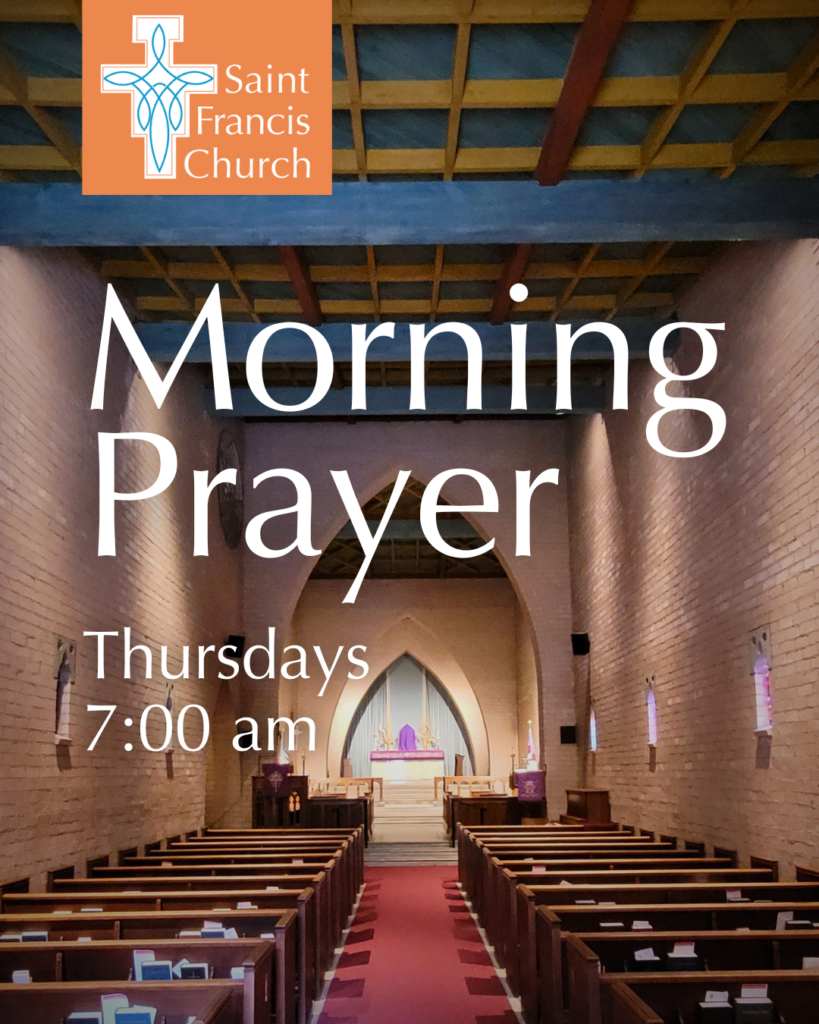
Thursdays beginning on October 8 at 7:00 am
Beginning Thursday, October 8, the Rev. Deacon Celeste will lead a said service of Morning Prayer every Thursday at 7:00 a.m. in the St. Francis Chapel. All are welcome to begin the day together in prayer, Scripture, and quiet reflection.
Bring Your Best Friend to Church!
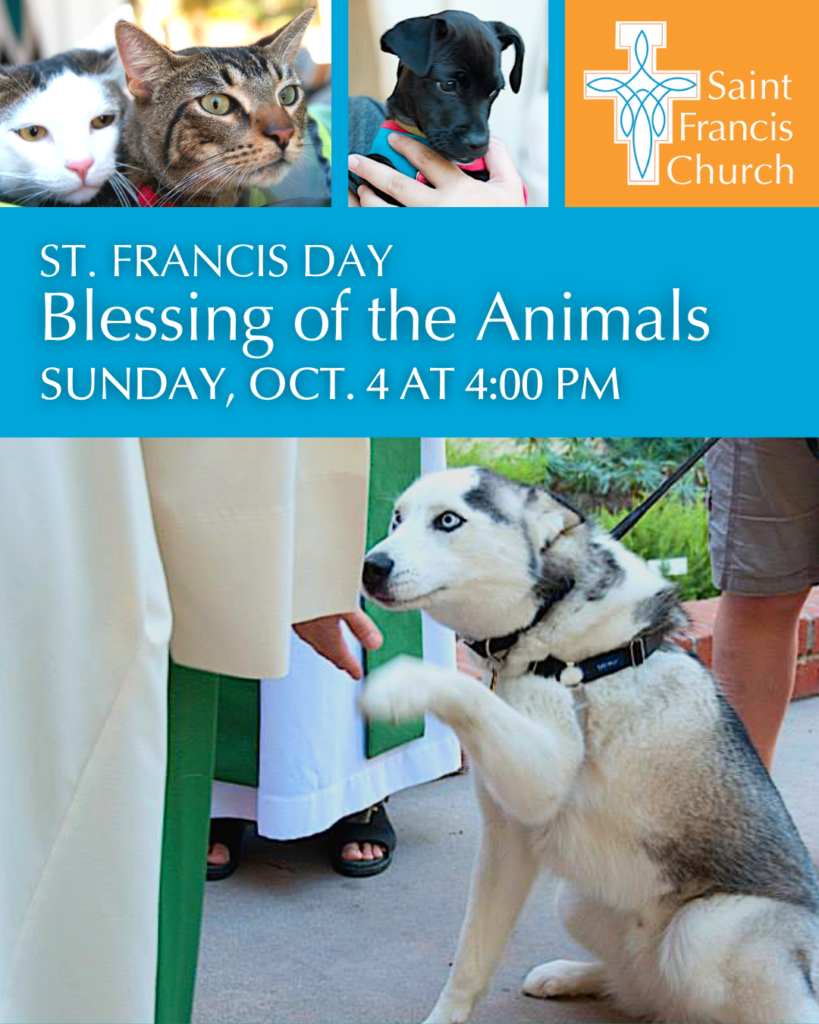
Blessing of the Animals
Sunday, October 4 at 4:00 pm
Celebrate the Feast of St. Francis with our annual Blessing of the Animals. Join us on Sunday, October 4 at 4:00 pm in the St. Francis Garden for this joyful annual tradition! All pets welcome – furry, feathered, or scaly. For the safety of humans and animals alike, please keep dogs on leash, and keep cats and exotic pets in cages. You may also bring a memento or photograph of your pet to receive a blessing. We can’t wait to see you (and your pets)!
Military Outreach Donation Drive
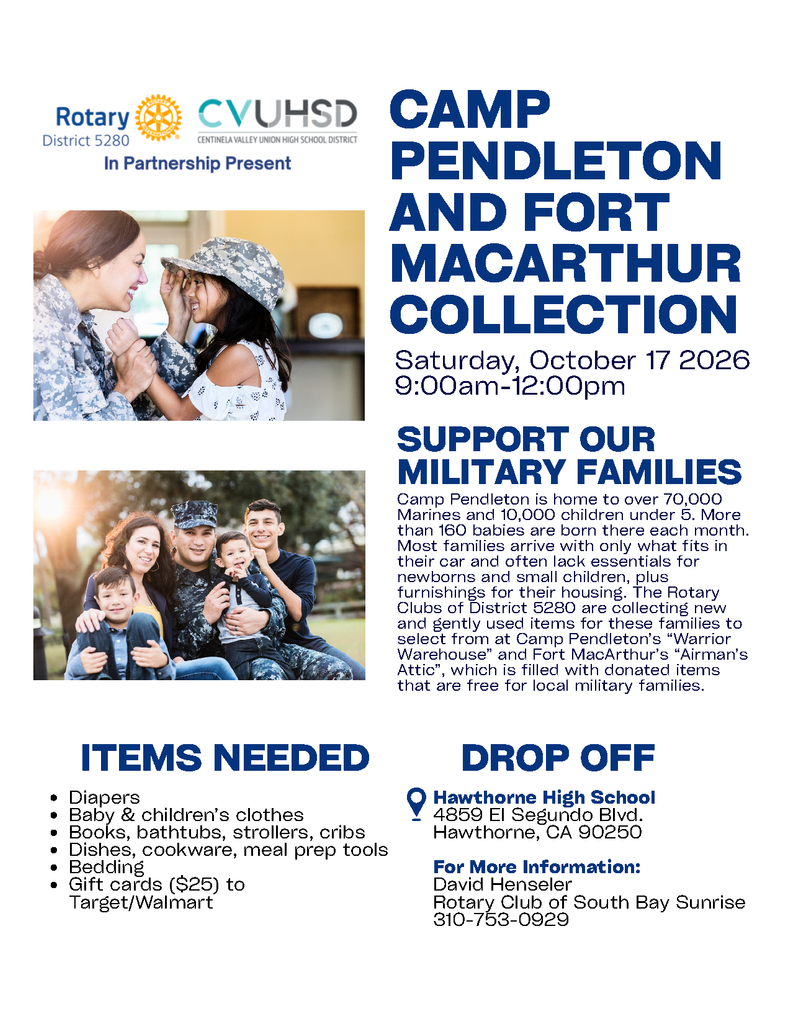
St. Francis Military Outreach is once again participating in the quarterly Camp Pendleton and Fort MacArthur Donation Drive. Help us support local military families by donating new or gently used items for babies, children, and military households.
Items needed include:
👶 Diapers and baby and children’s clothing
📚 Books, baby bathtubs, strollers, and cribs
🍽️ Dishes, cookware, and meal-preparation tools
🛏️ Bedding
🎁 $25 Target or Walmart gift cards
St. Francis parishioners: Please bring your donations to the church office before Thursday, October 15, so we can include them in the collection.
The community-wide collection will take place:
📅 Saturday, October 17, 2026
🕘 9:00 a.m.–12:00 p.m.
📍 Hawthorne High School
4859 El Segundo Blvd., Hawthorne, CA 90250
Donations help stock Camp Pendleton’s Warrior Warehouse and Fort MacArthur’s Airman’s Attic, where military families can select donated essentials free of charge.
For more information, contact:
David Henseler
Rotary Club of South Bay Sunrise
310-753-0929
or
Susan Zimmerman
St. Francis Military Outreach Coordinator
susiehzimmerman@gmail.com
310-316-5941
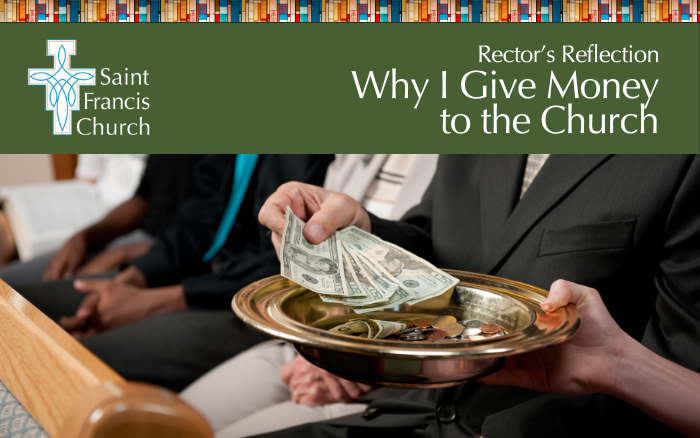
Why I Give Money to the Church
Why do I give to the church? I could instead ask the vestry to lower my salary by the amount that Jennifer and I choose to give and save everyone a lot of time. Or I could give to the church where I grew up, the one that sent me to seminary. I could give to some other charitable organization, like Harbor Connects or The Human Fund. Or I could not give at all. I’ve made a career out of going to church, and there’s hardly a waking hour that goes by without me thinking of the church or the people here.
Jennifer and I give to St. Francis because we are part of the community; we believe in the work that the church is doing. It’s good for me to physically write a check so I can see how much is going out of our account (it’s not a huge amount, but the kids and I could have a LOT more Lego if we didn’t pledge).
St. Francis is doing good work. There is someone on campus every day of the week: AA, Al-Anon, Yoga, The Scouts of America, beaders, quilters, DAR, Town and Country, the SoCal Cotillion (not the real name, but the same idea), Peninsula High Symphony, and multiple other groups.
Then there are all the things that WE do: Sunday services, Taizé, the Healing Service, Grief Group, St. Anne’s, Men’s Group, Choir Practice, Meditation, SAGES, Sunday School, Youth Group, St. Luke’s Breakfast, the Antiques Show and Sale, the Rummage Sale, and lots of others that I’m forgetting.
Every week we have new people in the congregation; I’ve even seen people who could be in their twenties, the rarest of all age groups in church. I give to the church out of a sense of duty and respect, and because in many ways it’s the least of the things Jesus asks us to do (giving money is SO much easier than loving my neighbor). I give to the church because I don’t ever want to ask people to do something I haven’t done or will not do. Finally, I give to the church because I fiercely believe in our mission: to reconcile all people to unity with God and each other in Christ.
The Rev. Jason Shelby
Rector
Topics
Join our Mailing List
Subscribe to stay in touch!
Our email newsletter is published every Thursday at 4:30 pm (Pacific).
Click here to sign up!
Got News?
Publication Deadline:
Tuesdays at Noon
To get news, events, or other notifications in our weekly email and worship bulletin announcements, send your news to info@stfrancispalosverdes.org by noon on Tuesday for publication on Sunday.
St. Francis Episcopal Church
2200 Via Rosa, Palos Verdes Estates, CA 90274
Phone: 310-375-4617
Fax: 310-791-2740
St. Francis is part of the Episcopal Diocese of Los Angeles.
©2026 St. Francis Episcopal Church. All rights reserved.